The Taliban’s recent takeover of Afghanistan has brought renewed focus on their pledge, to eradicate the nation’s pervasive narcotics trade.
Their war on drugs is only one piece of the puzzle and this makes it even harder for people to seek help and fuels the cycle of despair.
However, a visit to Ibn Sina drug addiction Hospital in Kabul, reveals a far more complex reality – one where addiction and mental health issues are spiralling out of control, fuelled by decades of war and instability.
The hospital itself is a microcosm of this crisis. Overcrowded wards are filled with patients battling addiction, many of whom turn to drugs, as a desperate means of escape from the unrelenting trauma they’ve endured.
Yet, the hospital’s ability to provide adequate care is severely hampered by a lack of resources – a shortage of medication, trained staff, and specialised mental health services.
“The situation is dire,” says the director. A. Z. “We are overwhelmed by the high number of patients, and our resources are stretched limited. Many of these people are not just dealing with addiction, but also with deep-rooted mental health issues, and we simply don’t have the capacity to address both.”
This link between addiction and mental health is a recurring theme.
Patients often present with co-occurring disorders, highlighting the urgent need for integrated treatment approaches that address both the physical and psychological aspects of addiction.
But the challenges go beyond the hospital walls. There is a widespread lack of awareness and understanding about addiction and mental health in Afghanistan, often leading to stigma and discrimination.


My journey continued into families and Pul – e – Charkhi prison, to understand how difficult it is to escape the tunnel of drug addiction.
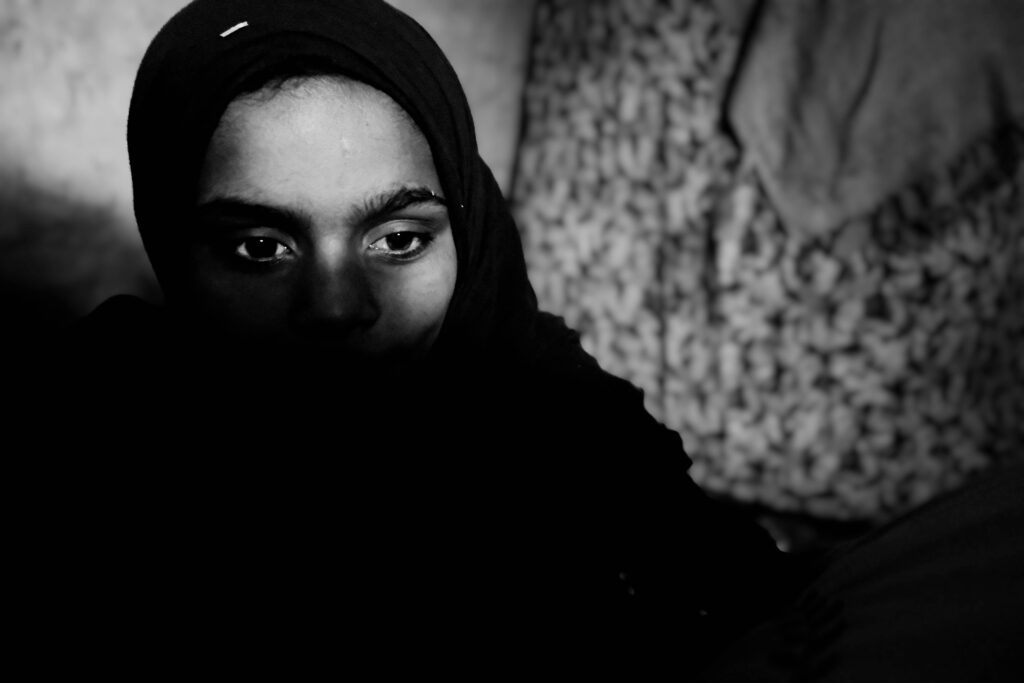
Mother and daughters abandoned to despair, left alone because their father is somewhere getting high or arrested.
A tunnel that leads to death under bridges or into the darkness of mental illness.
While the Taliban’s crackdown on narcotics may grab headlines, the human’s fight against addiction, compounded by mental health struggles and a lack of resources, remains largely unseen.
The struggle is not just a “fight against drugs”, but in the hearths and minds of its people. It’s a fight for families torn apart, for future stolen, for a nation struggling to heal.
The road to recovery too is long and challenging, which can also lead to death.
Each step taken towards awareness, is a hope for the lives and dignity of those trapped in the cycle of addiction.
It’s a fight that Afghanistan cannot afford to lose.
Gallery